


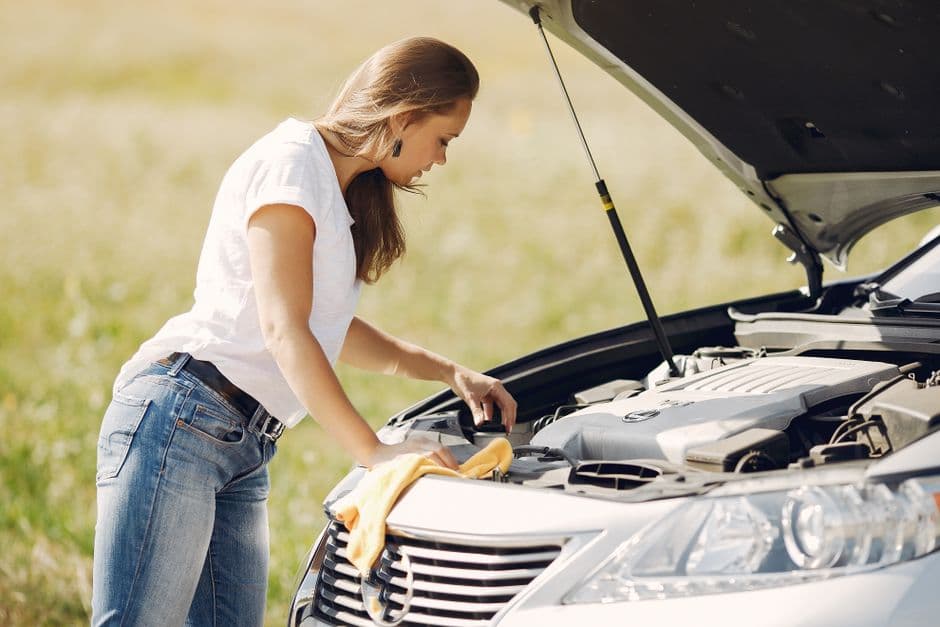
What fluids should I check before a road trip?
For a normal road trip checklist, start with the fluids that affect heat control, braking, shifting, steering, and visibility:
That list is not one-size-fits-all. NHTSA notes that fluid checks vary by vehicle, including electric vehicles, and that power steering fluid only applies when the system is hydraulic (NHTSA). AAA also points out that replacement or top-off fluids should match the owner’s manual, so the correct product is vehicle-specific (AAA).
For late-summer driving around Hershey, I-81, I-78, or the PA Turnpike, the goal is not to pour something in and hope. The goal is to know whether the fluid is correct, full, clean enough for the trip, and not leaking.
- Engine oil
- Coolant or antifreeze
- Brake fluid
- Automatic transmission fluid or clutch fluid, where applicable
- Hydraulic power steering fluid, where applicable
- Windshield washer fluid
That list is not one-size-fits-all. NHTSA notes that fluid checks vary by vehicle, including electric vehicles, and that power steering fluid only applies when the system is hydraulic (NHTSA). AAA also points out that replacement or top-off fluids should match the owner’s manual, so the correct product is vehicle-specific (AAA).
For late-summer driving around Hershey, I-81, I-78, or the PA Turnpike, the goal is not to pour something in and hope. The goal is to know whether the fluid is correct, full, clean enough for the trip, and not leaking.
Coolant: more than a plastic reservoir level
Coolant is the big one when the weather is hot and traffic slows down. NHTSA says coolant should be sufficient, meet the vehicle manufacturer’s specifications, and be checked against the owner’s manual before travel. It also says the cooling system should be checked for leaks, coolant condition, and whether old coolant needs draining or replacement (NHTSA).
So if the reservoir is low, the question is “why?” A small top-off may not answer that. A weak hose, old coolant, or a leak can turn into an overheating problem once you are loaded up and sitting in traffic.
If the temperature gauge climbs, a warning comes on, steam or smoke appears, or the vehicle smells like something is burning, stop when it is safe and seek help. Do not keep pushing down the highway to “make it a few more miles.” Cooling system problems need a controlled inspection, not roadside guesswork.
So if the reservoir is low, the question is “why?” A small top-off may not answer that. A weak hose, old coolant, or a leak can turn into an overheating problem once you are loaded up and sitting in traffic.
If the temperature gauge climbs, a warning comes on, steam or smoke appears, or the vehicle smells like something is burning, stop when it is safe and seek help. Do not keep pushing down the highway to “make it a few more miles.” Cooling system problems need a controlled inspection, not roadside guesswork.
Oil and transmission fluid are trip-planning items
Engine oil should be checked periodically, and NHTSA says an oil change should be completed before travel if it is nearly due (NHTSA). That does not mean every vehicle uses the same oil or interval. Use the owner’s manual or service information for the correct oil specification and maintenance schedule.
Transmission fluid needs the same caution. AAA includes transmission fluid in its summer travel fluid list, but also notes that some newer automatic transmissions are sealed and may not have a dipstick (AAA). If your vehicle has no obvious way to check it, that is not an invitation to improvise.
Plan a professional check if you notice:
For those symptoms, a transmission diagnostics visit makes more sense than guessing at a fluid bottle.
Transmission fluid needs the same caution. AAA includes transmission fluid in its summer travel fluid list, but also notes that some newer automatic transmissions are sealed and may not have a dipstick (AAA). If your vehicle has no obvious way to check it, that is not an invitation to improvise.
Plan a professional check if you notice:
- Red, brown, or oily spots under the vehicle
- Harsh shifting, slipping, delayed engagement, or new noises
- Fluid that is low again after being topped off
- Unknown service history before a long drive
For those symptoms, a transmission diagnostics visit makes more sense than guessing at a fluid bottle.
Brake, clutch, and power steering fluids affect control
NHTSA’s pre-trip fluid list includes brake fluid, automatic transmission or clutch fluid, hydraulic power steering fluid, and windshield washer fluid where applicable (NHTSA). The Car Care Council includes a similar list and ties fluids to related systems such as hoses, belts, power steering, cooling, and wipers (Car Care Council).
Brake fluid is not just another top-off bottle. If it is low, there may be wear or leakage that needs a brake inspection. If you have a brake warning light, a soft pedal, pulling when braking, or fluid near a wheel, do not treat that as a quick driveway fix. Have the brake system inspected before continuing.
Power steering is similar. Some vehicles use hydraulic fluid; others use electric power steering and do not have that reservoir, according to AAA (AAA). If steering suddenly becomes hard, noisy, or unpredictable, stop when safe and arrange service.
Brake fluid is not just another top-off bottle. If it is low, there may be wear or leakage that needs a brake inspection. If you have a brake warning light, a soft pedal, pulling when braking, or fluid near a wheel, do not treat that as a quick driveway fix. Have the brake system inspected before continuing.
Power steering is similar. Some vehicles use hydraulic fluid; others use electric power steering and do not have that reservoir, according to AAA (AAA). If steering suddenly becomes hard, noisy, or unpredictable, stop when safe and arrange service.
Washer fluid is small until visibility gets bad
Washer fluid sounds minor until you hit bugs, construction dust, road spray, or a sudden summer storm. AAA recommends filling the washer reservoir with fluid suitable for bugs and road debris and testing that the nozzles spray properly (AAA). NHTSA also recommends carrying extra windshield washer fluid in a roadside emergency kit (NHTSA).
Before leaving Central PA for a longer drive, make sure the washers spray where they should and the wipers can clear the glass. If the pump runs but nothing sprays, or the spray pattern is blocked, fix that before you are relying on it at highway speed.
Before leaving Central PA for a longer drive, make sure the washers spray where they should and the wipers can clear the glass. If the pump runs but nothing sprays, or the spray pattern is blocked, fix that before you are relying on it at highway speed.
When topping off is not enough
A simple pre-trip fluid check is fine when levels are normal, the correct fluid is known, and there are no symptoms. It becomes a maintenance issue when the vehicle is telling you something else.
NHTSA advises having the vehicle serviced if any fluid leakage is visible instead of simply topping off and driving (NHTSA). The practical distinction is: if the fluid is low because it is leaving the vehicle, the leak matters more than the top-off.
Schedule a routine maintenance or diagnostic check before the trip if you have:
NextGen AutoWorks offers fluid checks, oil changes, multi-point inspections, cooling system service, brake fluid service, transmission fluid service, and powertrain diagnostics in Grantville. A maintenance check cannot promise a problem-free trip, but it can separate a normal top-off from a repair that should be handled before you leave.
NHTSA advises having the vehicle serviced if any fluid leakage is visible instead of simply topping off and driving (NHTSA). The practical distinction is: if the fluid is low because it is leaving the vehicle, the leak matters more than the top-off.
Schedule a routine maintenance or diagnostic check before the trip if you have:
- Visible leakage under the vehicle
- Repeated low coolant, oil, brake fluid, steering fluid, or transmission fluid
- Overheating, smoke, fuel smell, or electrical burning smell
- Brake warning symptoms or steering loss
- Transmission shifting concerns
- A warning light that needs diagnosis
NextGen AutoWorks offers fluid checks, oil changes, multi-point inspections, cooling system service, brake fluid service, transmission fluid service, and powertrain diagnostics in Grantville. A maintenance check cannot promise a problem-free trip, but it can separate a normal top-off from a repair that should be handled before you leave.
Frequently Asked Questions
Can I check road trip fluids myself?
You can do basic checks if your owner’s manual shows the reservoir or dipstick and the vehicle is in a safe place. If the procedure is unclear, the system is sealed, the fluid type is unknown, or there is visible leakage, have it serviced instead of guessing.
Why can’t I use one universal fluid for topping off?
Fluid specifications vary by vehicle. AAA says top-off or replacement fluids should meet the owner’s manual specifications, so the correct coolant, oil, brake fluid, or transmission fluid is not universal (AAA).
Do electric vehicles still need fluid checks before a trip?
Yes, but the list may differ. NHTSA notes that electric vehicles still need applicable fluid checks, while items such as engine oil or hydraulic power steering fluid depend on the vehicle design (NHTSA).
Should I top off low brake fluid before a road trip?
Low brake fluid should be treated carefully because it can point to wear or leakage. If the brake warning light is on, the pedal feels wrong, or fluid is visibly leaking, have the brake system inspected before driving farther than necessary.
routine maintenanceheating and cooling servicebrake repairtransmission diagnosticsadvanced diagnosticsschedule service
Planning a Hershey, I-81, or Central PA road trip? Call NextGen AutoWorks at (717) 473-5997 to schedule a maintenance check.
road trip checklistvehicle fluidsroutine maintenanceGrantville PA