


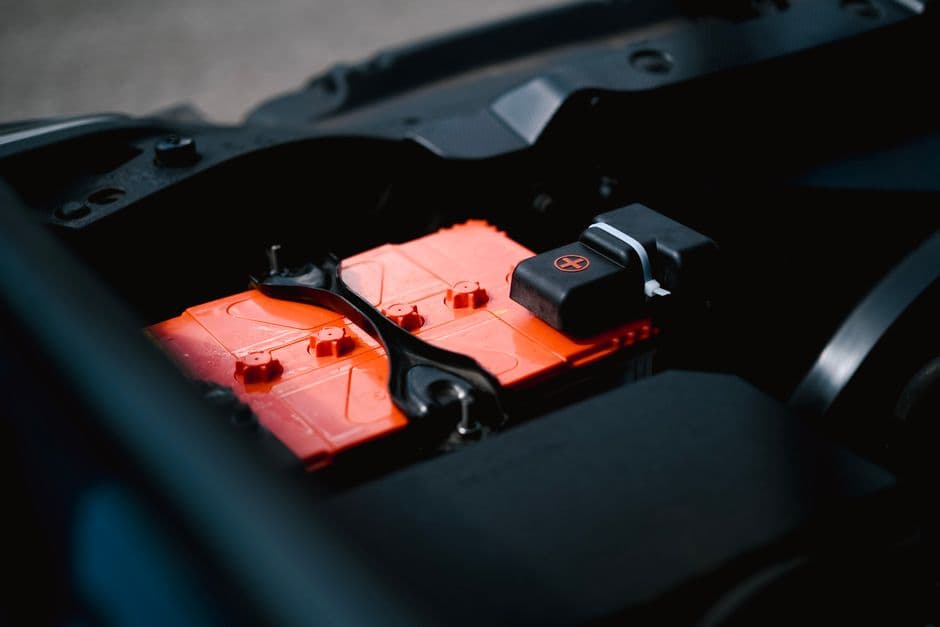
Can hot weather make your car battery fail?
Yes, hot weather can be hard on a car battery. The tricky part is that the battery may still start the car today while heat is quietly shortening its life.
AAA lists heat as one of the main factors that can shorten conventional car battery life, along with age and vibration. Heat helps the chemical reaction a lead-acid starting battery uses to make power, but that same heat also speeds internal battery wear (AAA).
So if your car is starting slower during a humid Central PA July, or you are planning a Hershey weekend, campground trip, or highway drive on I-81, I-78, or the PA Turnpike, battery testing is a practical move. It does not promise the vehicle can’t have a problem later, but it can separate a weak battery from another electrical issue before you guess at parts.
AAA lists heat as one of the main factors that can shorten conventional car battery life, along with age and vibration. Heat helps the chemical reaction a lead-acid starting battery uses to make power, but that same heat also speeds internal battery wear (AAA).
So if your car is starting slower during a humid Central PA July, or you are planning a Hershey weekend, campground trip, or highway drive on I-81, I-78, or the PA Turnpike, battery testing is a practical move. It does not promise the vehicle can’t have a problem later, but it can separate a weak battery from another electrical issue before you guess at parts.
Why summer heat hurts even when the car starts
Outside temperature is only part of the story. AAA notes that under-hood temperatures in hot weather can be much higher than the air outside, which is why some vehicles use battery heat shields, isolated mounting locations, or battery placement away from the engine bay to reduce heat exposure (AAA).
That matters around Grantville and Hershey because summer driving can mean hot pavement, slow traffic, A/C use, and short stops where heat builds under the hood. None of that lets anyone predict the exact day a battery will quit. It simply explains why a hot weather car battery concern should be taken seriously before the starter barely turns over.
AAA also points out that battery life depends on usage pattern, vibration, charging-system condition, and whether the correct battery type, size, and rating is installed for the vehicle (AAA). In plain English: age matters, but it is not the only thing that matters.
That matters around Grantville and Hershey because summer driving can mean hot pavement, slow traffic, A/C use, and short stops where heat builds under the hood. None of that lets anyone predict the exact day a battery will quit. It simply explains why a hot weather car battery concern should be taken seriously before the starter barely turns over.
AAA also points out that battery life depends on usage pattern, vibration, charging-system condition, and whether the correct battery type, size, and rating is installed for the vehicle (AAA). In plain English: age matters, but it is not the only thing that matters.
The charging system matters as much as the battery
A slow crank does not automatically mean “replace the battery.” The battery stores power. The charging system has to replenish it while the vehicle is running. If that system is not charging correctly, a good battery can be stressed, and a weak battery can look like something else is wrong.
The Car Care Council names excessive heat and overcharging as major causes of shortened battery life. It also notes that charging too little or too much can shorten battery life, and that an overcharging fault such as a voltage-regulator problem can damage the battery (Car Care Council).
That is why battery testing and charging system testing belong together. Depending on the symptom, the issue could involve:
Testing keeps the conversation honest. It tells you whether the battery is the problem, part of the problem, or just the part that got blamed first.
The Car Care Council names excessive heat and overcharging as major causes of shortened battery life. It also notes that charging too little or too much can shorten battery life, and that an overcharging fault such as a voltage-regulator problem can damage the battery (Car Care Council).
That is why battery testing and charging system testing belong together. Depending on the symptom, the issue could involve:
- A weak or aging battery
- Alternator output that is not right for the situation
- Starter trouble
- Loose, corroded, or damaged wiring
- A draw on the battery when the vehicle is off
- The wrong battery rating for the vehicle
Testing keeps the conversation honest. It tells you whether the battery is the problem, part of the problem, or just the part that got blamed first.
Hot-weather warning signs not to brush off
Pay attention to the way the vehicle acts before it leaves you stuck. The Car Care Council lists dim lights, accessories not operating, and check-engine or battery warning lights as signs related to battery or electrical concerns (Car Care Council).
Helpful symptoms to note before service include:
These signs do not prove one exact failed part from the driver’s seat. They are reasons to test the battery, charging system, starter circuit, and related wiring.
If there is smoke, a fuel smell, an electrical burning smell, or the vehicle feels unsafe, stop when safe and seek help. If you carry jumper cables, NHTSA includes them in a summer roadside kit, but that page does not provide a jump-start procedure; follow your owner’s manual or get professional help if you are unsure (NHTSA).
Helpful symptoms to note before service include:
- Slow cranking, especially after sitting in heat
- Clicking or no crank
- Dim headlights or interior lights
- Power windows, locks, or accessories acting weak
- A battery light or check-engine light
- More than one jump-start in a short period
- Corrosion around terminals or a battery that is not held securely
These signs do not prove one exact failed part from the driver’s seat. They are reasons to test the battery, charging system, starter circuit, and related wiring.
If there is smoke, a fuel smell, an electrical burning smell, or the vehicle feels unsafe, stop when safe and seek help. If you carry jumper cables, NHTSA includes them in a summer roadside kit, but that page does not provide a jump-start procedure; follow your owner’s manual or get professional help if you are unsure (NHTSA).
Why testing before a July trip makes sense
NHTSA’s summer road-trip checklist includes having a mechanic check the battery and charging system and make needed repairs or replacements before travel. The same checklist also points to cooling system, belts, hoses, fluids, lights, tires, and wiper blades as summer-trip items to check (NHTSA).
That does not mean every vehicle needs the same repair before a trip. It means the battery is one part of a larger hot-weather reliability check.
For a Central PA driver, testing is especially sensible when:
A test cannot remove every travel risk, but it can give you better information before a hot-weather drive.
That does not mean every vehicle needs the same repair before a trip. It means the battery is one part of a larger hot-weather reliability check.
For a Central PA driver, testing is especially sensible when:
- The battery is around its third year or older; AAA advises annual testing once a battery reaches about that point (AAA)
- The vehicle cranks slower than normal
- A warning light is on
- You are heading into stop-and-go traffic near Hershey attractions
- You have a longer highway drive planned
- The vehicle has needed a jump-start recently
A test cannot remove every travel risk, but it can give you better information before a hot-weather drive.
Frequently Asked Questions
Should I replace my battery before a summer road trip?
Not based on the calendar alone. If the battery is older, the car cranks slowly, warning lights are on, or the vehicle has needed jump-starts, testing the battery and charging system is the better first step.
Can a bad alternator ruin a new battery?
A charging problem can shorten battery life if the system overcharges or undercharges. That is why testing alternator output and charging control matters before assuming the battery is the only issue.
Can I add water to my car battery in hot weather?
Do not assume your battery is serviceable. The Car Care Council limits fluid-check guidance to batteries designed to be topped off; sealed or maintenance-free batteries should not be opened like older serviceable batteries.
Is this the same as a hybrid or EV high-voltage battery?
No. This article is about the conventional 12-volt starting battery. NHTSA points hybrid-electric drivers to separate hybrid/electric guidance for high-voltage battery information.
If your car is cranking slowly, showing a battery light, or you want it checked before summer travel near Hershey or Grantville, call NextGen AutoWorks at (717) 473-5997 to schedule battery and charging system testing.
car batteryhot weatherelectrical systemsummer maintenanceGrantville PA