


Why is my car making a grinding noise while driving?
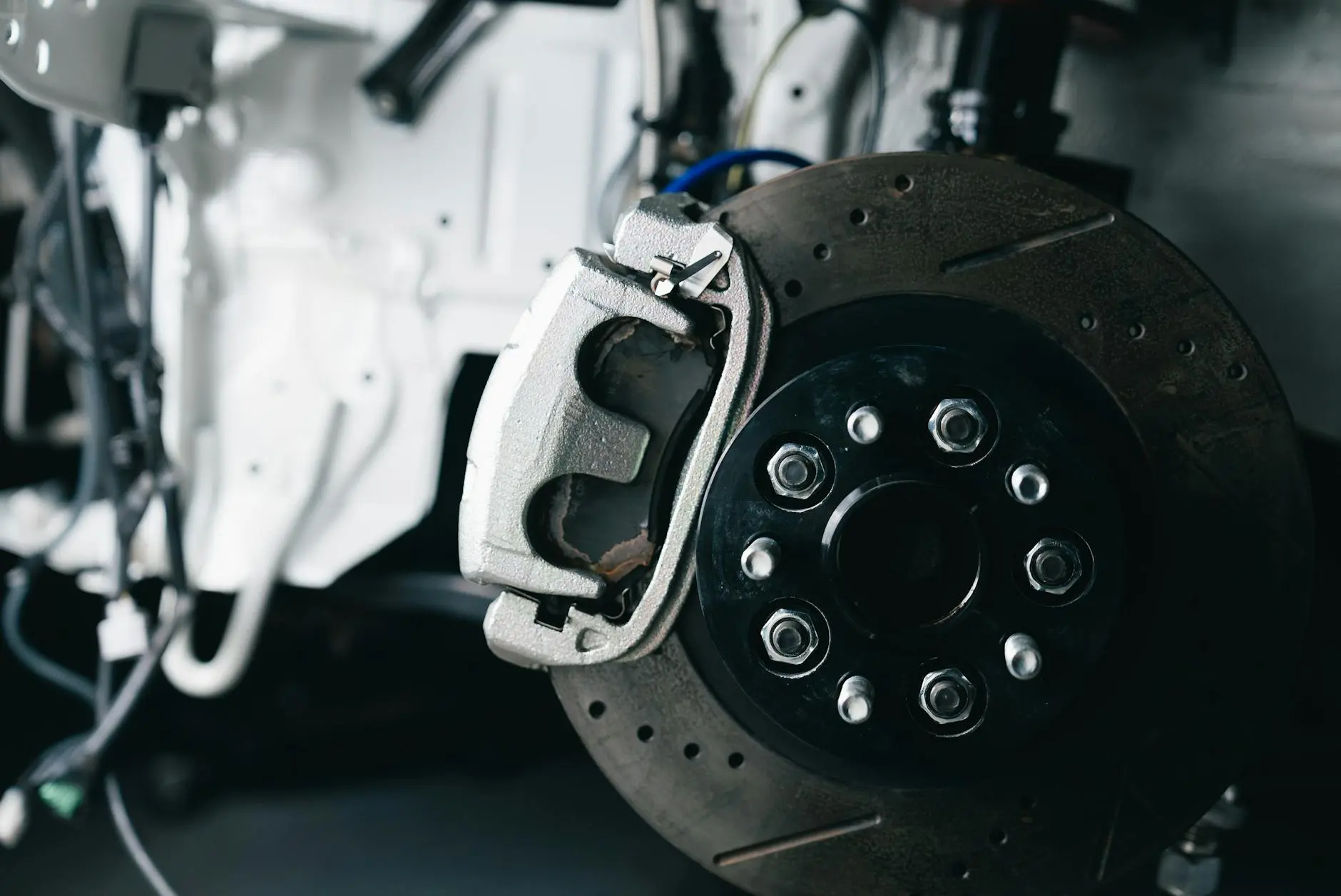
Start with when the grinding happens. If it shows up when you apply the brakes, that is a brake warning symptom, not a noise to file away for later. AAA says a high-pitched or grinding noise during braking is a strong sign that brake pads have worn thin, and it describes one common source as the pad wear indicator contacting the rotor (AAA).
That does not prove the pads are the only problem. A grinding noise car complaint still needs inspection because sounds can travel through the vehicle, and more than one part can be involved. For late-summer driving around Grantville, Hershey-area traffic, I-81, I-78, or the PA Turnpike, the practical answer is to have it checked before a normal errand turns into a worse brake, wheel, or steering concern.
That does not prove the pads are the only problem. A grinding noise car complaint still needs inspection because sounds can travel through the vehicle, and more than one part can be involved. For late-summer driving around Grantville, Hershey-area traffic, I-81, I-78, or the PA Turnpike, the practical answer is to have it checked before a normal errand turns into a worse brake, wheel, or steering concern.
The detail that matters most: when does it grind?
You do not need to diagnose the vehicle yourself. Your job is to notice the pattern.
Helpful details include:
That timing helps guide the inspection. Grinding while braking points the first look toward the brake system. Grinding while rolling or turning may require a broader check of tires, wheel balance, steering, suspension, wheel bearings, CV axles, or alignment. The sound is useful information, but it is not a confirmed repair from the driver’s seat.
Helpful details include:
- Does it grind only when pressing the brake pedal?
- Does it grind while rolling even without braking?
- Does it change when turning left or right?
- Did it start after a pothole hit or curb impact?
- Is there vibration, pulling, a low pedal feel, or a brake warning light?
That timing helps guide the inspection. Grinding while braking points the first look toward the brake system. Grinding while rolling or turning may require a broader check of tires, wheel balance, steering, suspension, wheel bearings, CV axles, or alignment. The sound is useful information, but it is not a confirmed repair from the driver’s seat.
Why brake grinding should not wait
Brakes are normal wear items. The Car Care Council describes the braking system as a top vehicle safety item and says brakes eventually require replacement as they wear (Car Care Council).
AAA notes that thin brake pads, if ignored, can damage other brake components. It also points out that brake replacement timing varies by vehicle, driving habits, road conditions, and weather, so there is no single mileage number that fits every vehicle (AAA).
That is why the question is not, “Can I make it until the next oil change?” The better question is, “What is grinding, and has it already started affecting other parts?” The Car Care Council specifically warns against putting off inspections or needed brake work until the brakes reach metal-to-metal contact because that can be dangerous and can increase repair costs (Car Care Council).
AAA notes that thin brake pads, if ignored, can damage other brake components. It also points out that brake replacement timing varies by vehicle, driving habits, road conditions, and weather, so there is no single mileage number that fits every vehicle (AAA).
That is why the question is not, “Can I make it until the next oil change?” The better question is, “What is grinding, and has it already started affecting other parts?” The Car Care Council specifically warns against putting off inspections or needed brake work until the brakes reach metal-to-metal contact because that can be dangerous and can increase repair costs (Car Care Council).
What a brake inspection should cover
A real brake inspection is more than looking through the wheel and guessing. The Car Care Council says a thorough brake inspection should include lining wear, brake fluid level, rotor thickness, hose and brake-line condition, brake and dash warning lights, and a test drive to detect other problems (Car Care Council).
For a brake grinding concern, NextGen AutoWorks can inspect the system and, when needed, handle brake repair items such as pad and shoe replacement, rotor service, brake fluid service, brake line inspection, caliper service, and ABS diagnostics.
The inspection matters because two vehicles can make a similar noise for different reasons. One may need brake service. Another may have a brake issue plus a related wheel, tire, or suspension concern that changes the repair path.
For a brake grinding concern, NextGen AutoWorks can inspect the system and, when needed, handle brake repair items such as pad and shoe replacement, rotor service, brake fluid service, brake line inspection, caliper service, and ABS diagnostics.
The inspection matters because two vehicles can make a similar noise for different reasons. One may need brake service. Another may have a brake issue plus a related wheel, tire, or suspension concern that changes the repair path.
When grinding needs broader diagnostics
If the grinding is not tied only to braking, the inspection should not stop at the pads. Central PA potholes and rough pavement can affect wheels, tires, steering, suspension, and alignment. A recent impact, uneven tire wear, vibration, or pulling can change where the technician starts looking.
Depending on the symptom, the next step may involve advanced diagnostics, steering and suspension repair, wheel bearing or CV axle evaluation, wheel balancing, alignment checks, or tire services. That does not mean all of those parts are bad. It means the sound and the road feel decide what needs to be checked.
This is especially important before back-to-school errands, commuting, or a longer highway drive. If the noise is getting louder, happening more often, or changing with braking or turning, do not keep guessing through a busy travel week.
Depending on the symptom, the next step may involve advanced diagnostics, steering and suspension repair, wheel bearing or CV axle evaluation, wheel balancing, alignment checks, or tire services. That does not mean all of those parts are bad. It means the sound and the road feel decide what needs to be checked.
This is especially important before back-to-school errands, commuting, or a longer highway drive. If the noise is getting louder, happening more often, or changing with braking or turning, do not keep guessing through a busy travel week.
When to stop driving and get help
A new grinding noise deserves prompt attention. Some symptoms are stronger stop-now signals.
Stop when safe and seek help if:
If this happens in traffic or on a highway shoulder, focus on people first. Get to a safer place if you can do so without forcing the vehicle, stay clear of traffic, and call for help. Brake, steering, suspension, and tire issues are safety-related systems and should be inspected professionally.
Stop when safe and seek help if:
- The brake warning light is on
- The vehicle has severe vibration
- Steering feels unstable or you lose steering control
- The brake pedal feels unusually low, hard, or unpredictable
- You see smoke or fire
- You smell fuel or electrical burning
- The vehicle does not feel controllable
If this happens in traffic or on a highway shoulder, focus on people first. Get to a safer place if you can do so without forcing the vehicle, stay clear of traffic, and call for help. Brake, steering, suspension, and tire issues are safety-related systems and should be inspected professionally.
Frequently Asked Questions
Can I keep driving if the grinding noise only happens sometimes?
Intermittent grinding is still useful warning information. If it happens when braking, schedule an inspection soon and avoid unnecessary driving. If it comes with a warning light, severe vibration, unstable steering, smoke, or a burning smell, stop when safe and get help.
Is brake grinding always caused by worn brake pads?
No. Evidence is strongest when the grinding happens during braking, because AAA links that symptom to thin brake pads or a wear indicator contacting the rotor. If the sound happens while rolling, turning, or after a pothole hit, the inspection may need to include tires, wheels, steering, suspension, wheel bearings, or CV axles.
Will a grinding noise affect my Pennsylvania inspection?
A grinding noise alone does not let anyone predict an inspection result. Pennsylvania inspection outcome can only be determined by an actual inspection at an official inspection station. If the noise involves brakes, tires, steering, or suspension, have the concern evaluated before inspection time.
If your car is making a grinding noise while driving near Grantville, call NextGen AutoWorks at (717) 473-5997 to schedule service.
brakesdiagnosticssteering and suspensionGrantville PA